50 cubic metres out — and still counting correctly
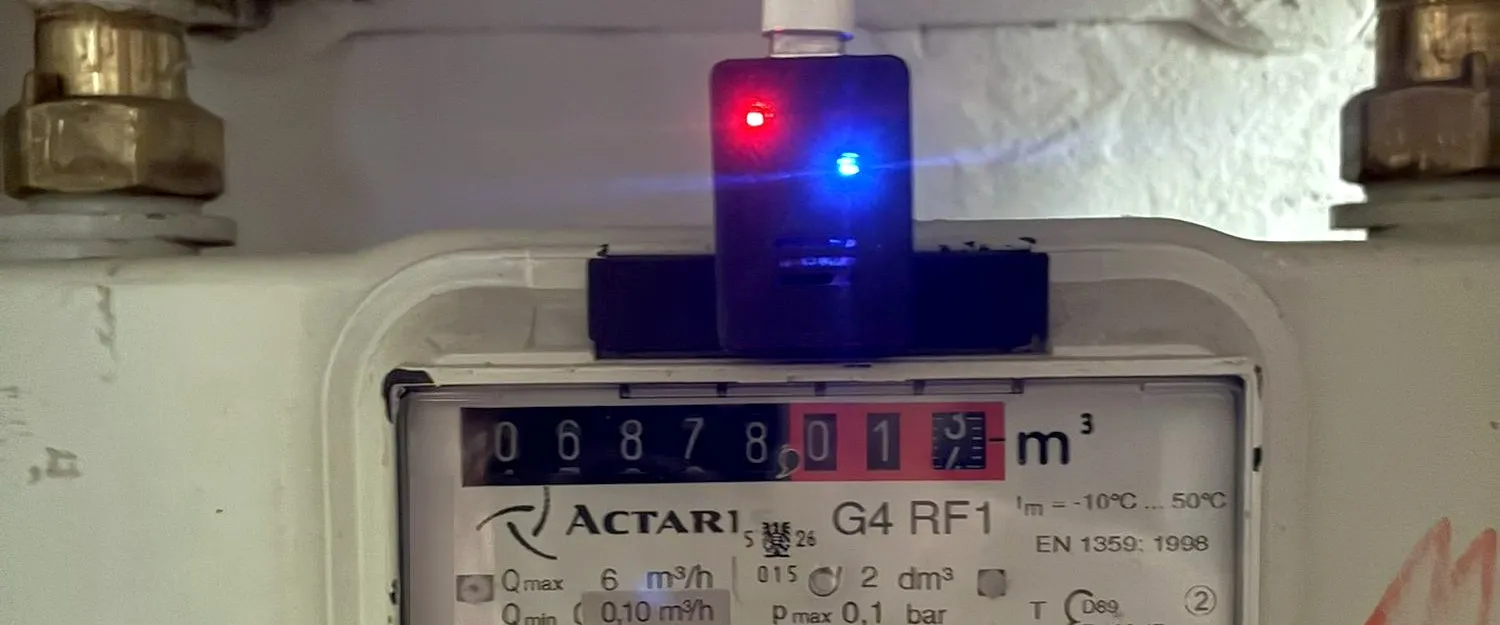
My gas meter has two data sources: an accurate one days behind, and a current one with a wrong starting value. Only together are they worth anything.
Topic
Radio, line, throughput. And what you measure it with without fooling yourself.
21 articles
My gas meter has two data sources: an accurate one days behind, and a current one with a wrong starting value. Only together are they worth anything.
Two radio links, two months of measurement. In Kapfenberg the culprit was my own automation, in Merano the measuring tool itself.
One button at the door, one in the bedroom. Both identical, both with three gestures — and the most important gesture does something entirely different on each.
A network outage, two new addresses — and the local path to both water valves was dead. Why fixed addresses matter most when you work locally.
Seven hours with no heat in the circuit, and the question of how far to preheat. The answer hung on a figure I had assumed wrongly at first.
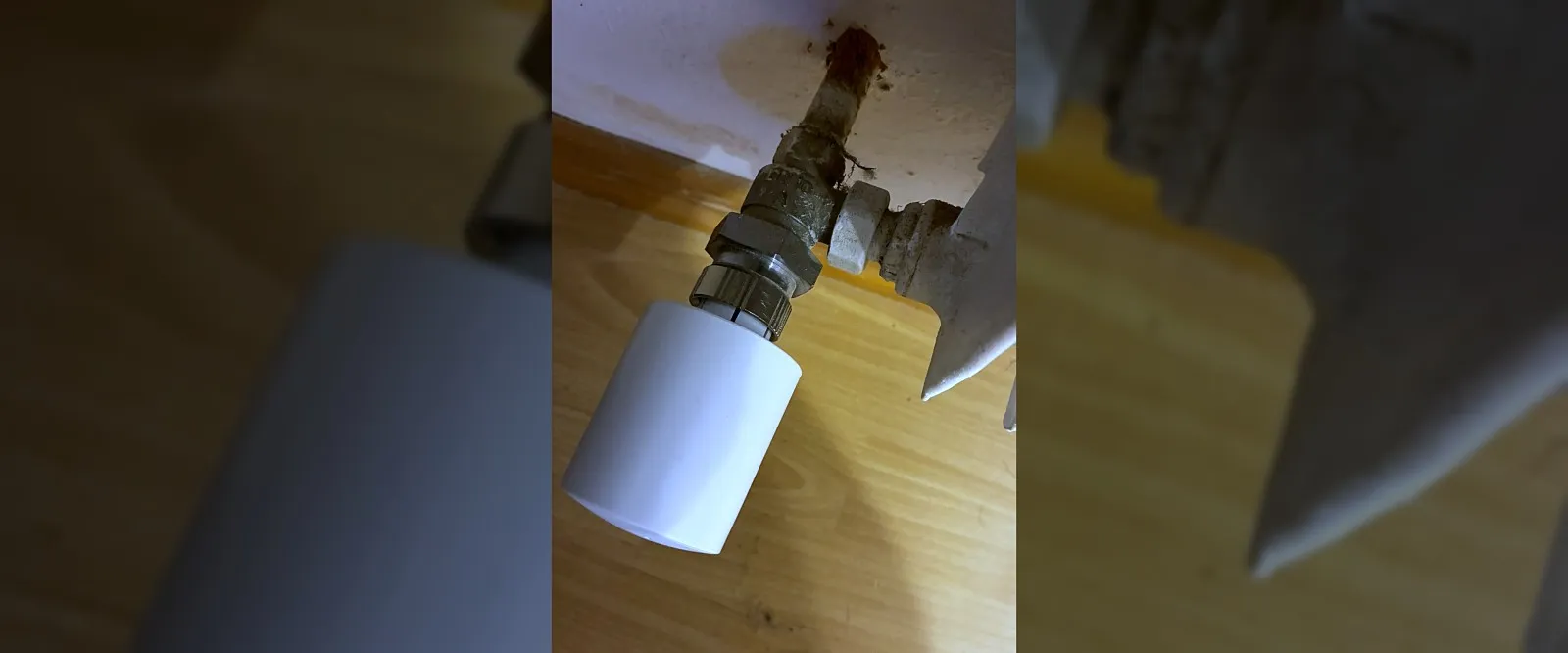
Three homes, three ways to a radiator: tado over HomeKit, Shelly over Zigbee, and once no valve at all. What each gives you — and what none of them can do.
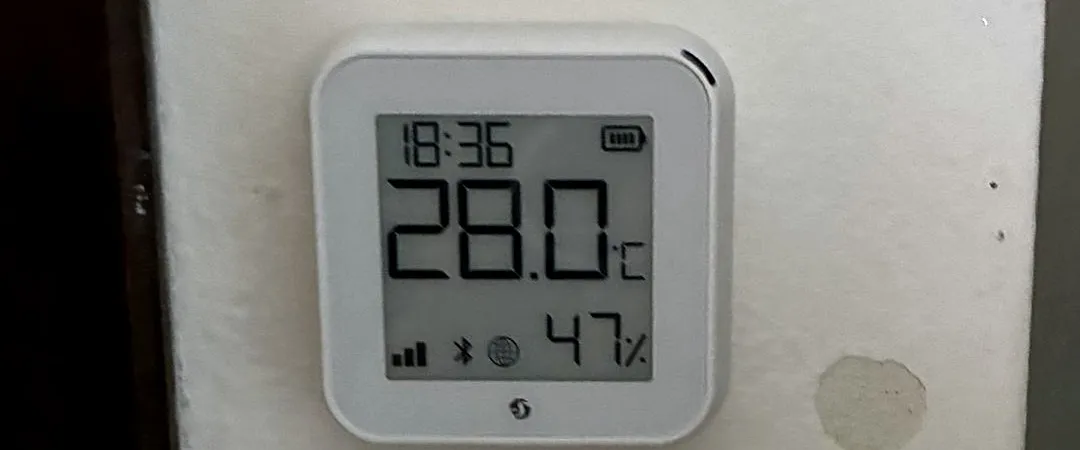
A home-built detector spotted ventilation in an empty flat. The interpretation was wrong, and the real reason called a whole measurement series into question.
After turning the antenna, reception fell from −71 to −87 dBm and I advised turning it back. Four days later throughput was four times as high.
A second measuring method alongside Ookla: the regulator’s own client, packed into a home-built add-on. And three instruments that falsified each other.
The bundled integration was off by a factor of four. The Ookla CLI showed the real finding — and the antenna web interface ended the search for a cause.
The house meter measures three phases. It nets the power against itself but adds the energy up — which makes its counters useless for the dashboard.
The solar battery offers nothing locally. The trigger arrives instantly from the house, the action travels halfway round the internet — that decides the design.
A leak sensor under 20 euros passed a real water test in my Vienna flat: instant alert, all-clear after 30 seconds, battery warning included.
The Hue bridge automates by itself, even when Home Assistant is off. Use the same sensor twice and you will later wonder why the light goes out on its own.
One network scan, two results, one false alarm. Why ping is the wrong measure and the router knows more than any sweep.
The third installation was the fastest — not because I had got better, but because the first two were written down. Plus one measurement with no occasion.
A camera would not join the Wi-Fi, and in the garden the connection dropped. Same cause — and after switching it off, nine more devices were reachable.
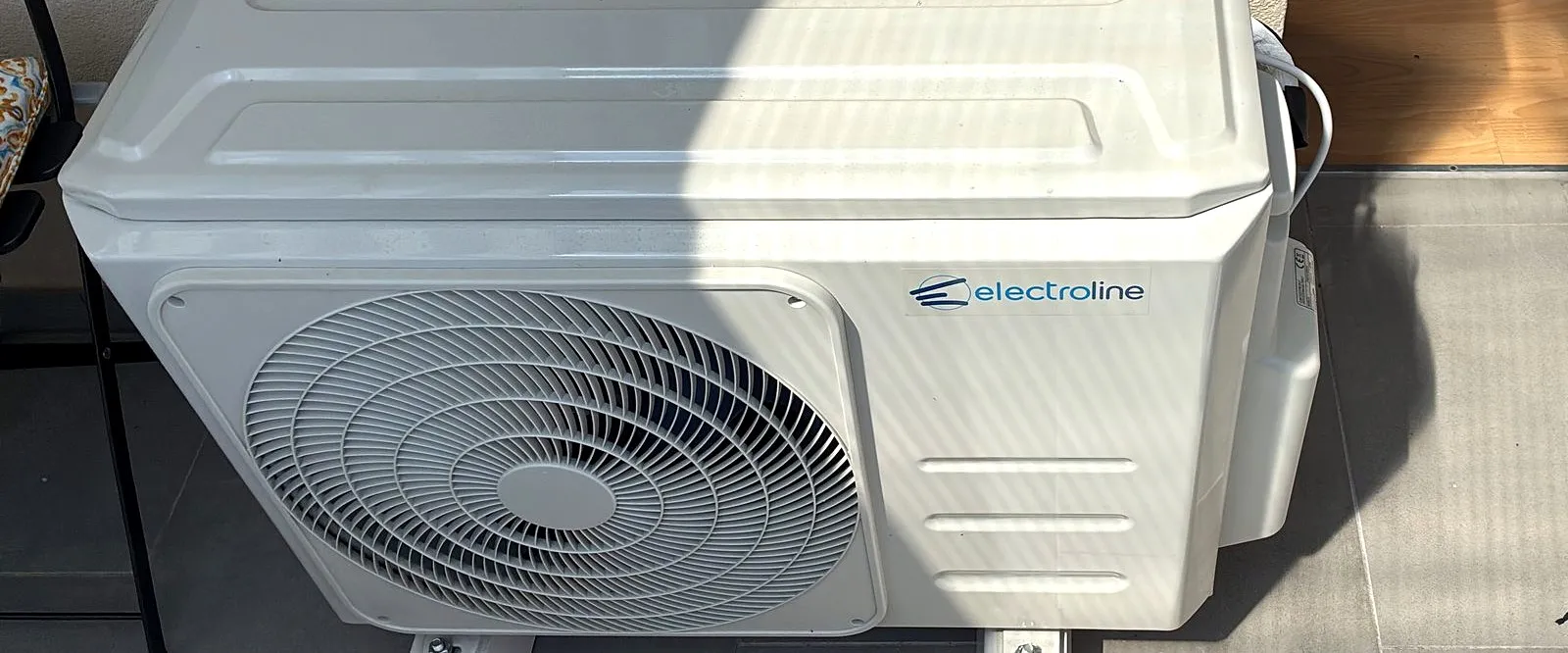
The air conditioner ran and did not cool. "Cools badly" is not a finding. How a complaint became a measurement series the engineer confirmed.
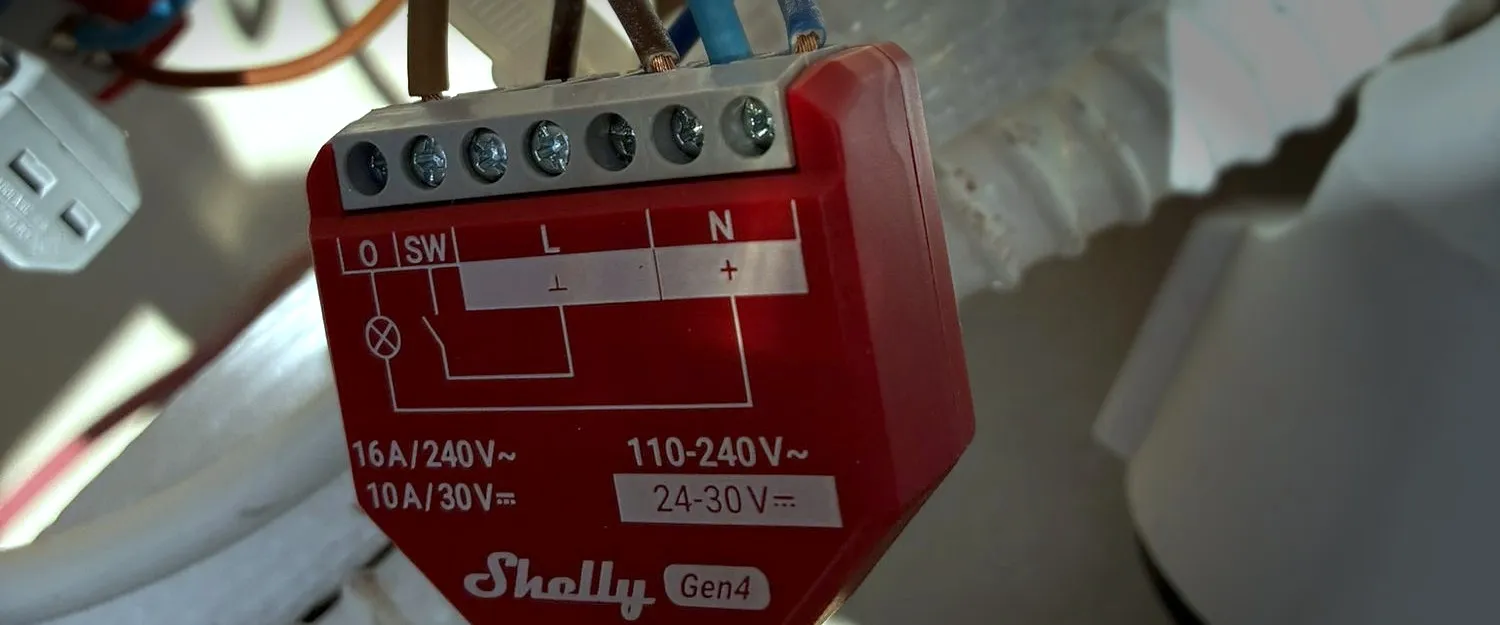
One meter in the distribution box, two clamps — and the assignment was swapped. A lamp proved it, its own reading only 1.2 watts away.
The radiator heads spoke Bluetooth through two gateways. The same hardware can do Zigbee — and after removing the gateways the weakest link got better.
The first of the three installations. Two things came out of it that saved time later — one of them was a quotation mark.